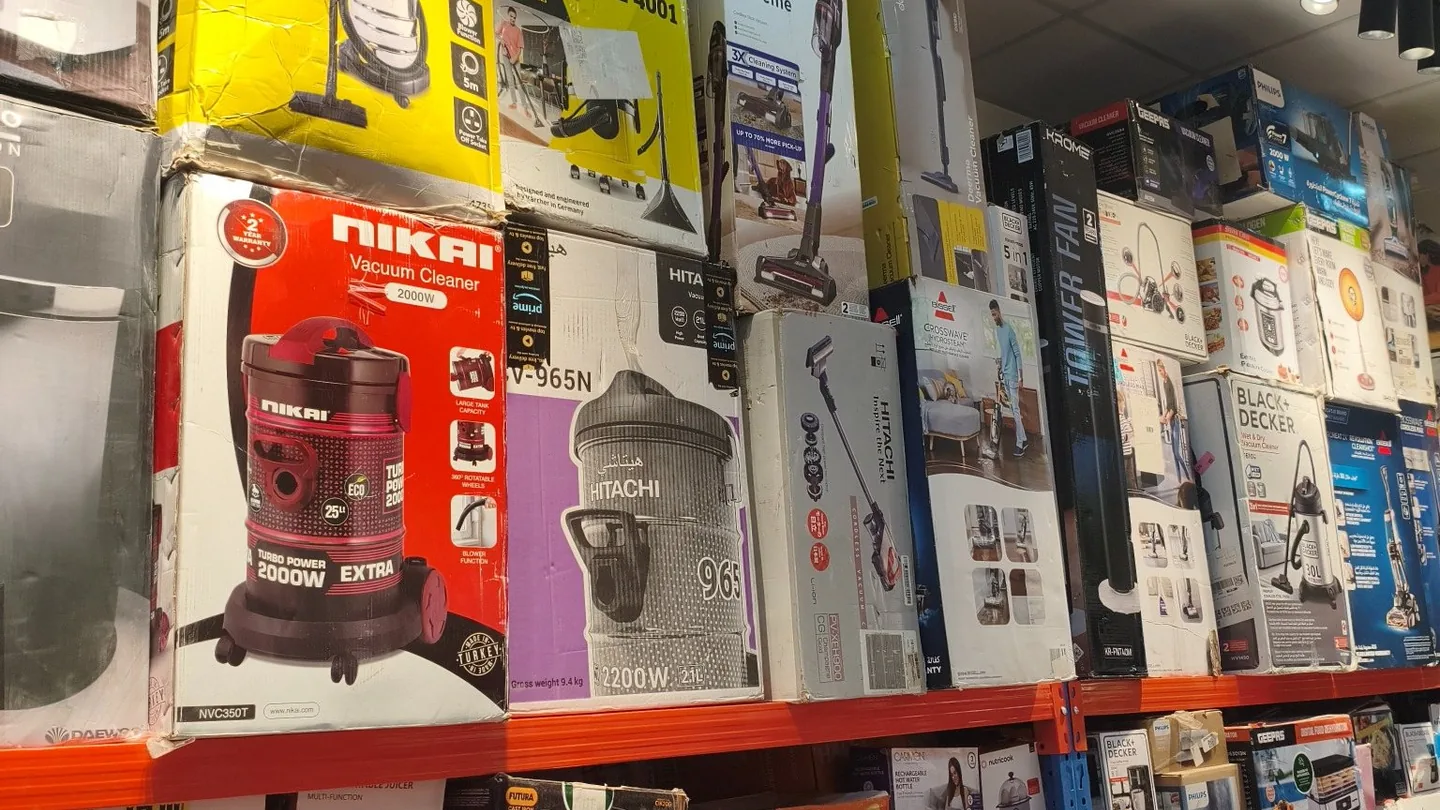
Buying Open Box Products in Al Ain: What to Check Before You Buy
A step-by-step checklist for inspecting open-box products in Al Ain, from model labels and accessories to physical condition, safety and final value.
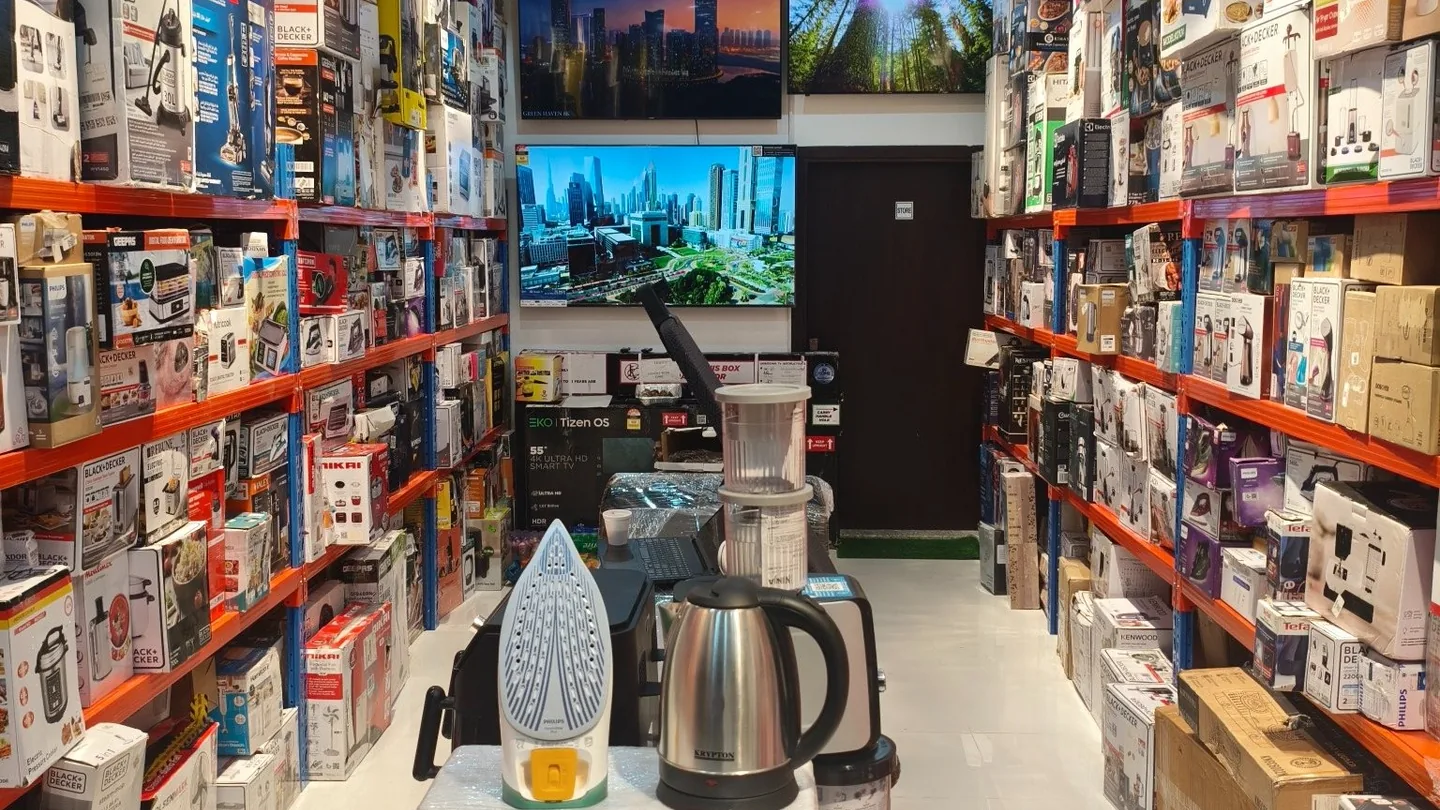
Open-box shopping is most useful when you treat it as a hands-on buying process, not simply a hunt for the lowest number on a price tag. The attraction is easy to understand: packaging may have been opened, stock can come from returns or other non-standard retail channels, and selected products can be priced below normal retail levels. But because each item can have its own history, the best protection for the buyer is a calm, repeatable inspection routine.
This guide is written for shoppers in Al Ain who want a practical way to evaluate an open-box appliance or household product before paying. It does not assume that every product is used, every product is an Amazon return or every product has a problem. The opposite is also true: you should not assume that every open-box unit is untouched or complete simply because it looks clean from a distance.
At Prime Open Box, the selection can include open-box products, Amazon returns and new products. Stock changes regularly. You can view the product categories on Products, learn more about the store model on About, and check the Al Ain location on Visit Us.
Before you leave home: decide what “good enough” means
The easiest way to make a poor open-box decision is to enter a store with no idea what condition you are willing to accept. A small scratch may be completely irrelevant for a vacuum stored in a cupboard, but unacceptable to you on a coffee machine placed in the centre of a new kitchen.
Before shopping, decide three things:
- What function do you need?
- What cosmetic imperfections are acceptable?
- What is your maximum comfortable budget?
This creates a simple standard you can use when the store has several different models. It also prevents you from being distracted by a large discount on a product that does not actually fit your needs.
Step 1: identify the product before inspecting the condition
Start with the label, not the appearance. Find the brand and exact model number. The model code is often on a sticker underneath, behind or on the side of the appliance, and it may also appear on the carton.
Why start here? Because a correct model number lets you understand what the product is supposed to include. It also helps you compare price fairly and check the normal specification. Without the exact model, it is easy to confuse two similar-looking appliances.
Take a quick photo of the model label with your phone if you want to research it while you are in the store. Make sure the model on the product matches the model on the box if both are available.
Step 2: inspect the outer body slowly
Do not look at the product only from the front. Turn it enough to see the sides, back, base and top. Check the areas that receive the most stress: handles, hinges, corners, control panels, lids, wheels and cable entry points.
You are looking for more than scratches. Pay attention to cracks in plastic, dents that could affect internal alignment, loose panels, bent feet, broken clips, damaged seals or parts that do not sit evenly.
Cosmetic marks are not necessarily a reason to reject a product. The point is to separate appearance-only issues from damage that could affect use. A light scuff on a side panel is very different from a cracked jug or loose hinge.
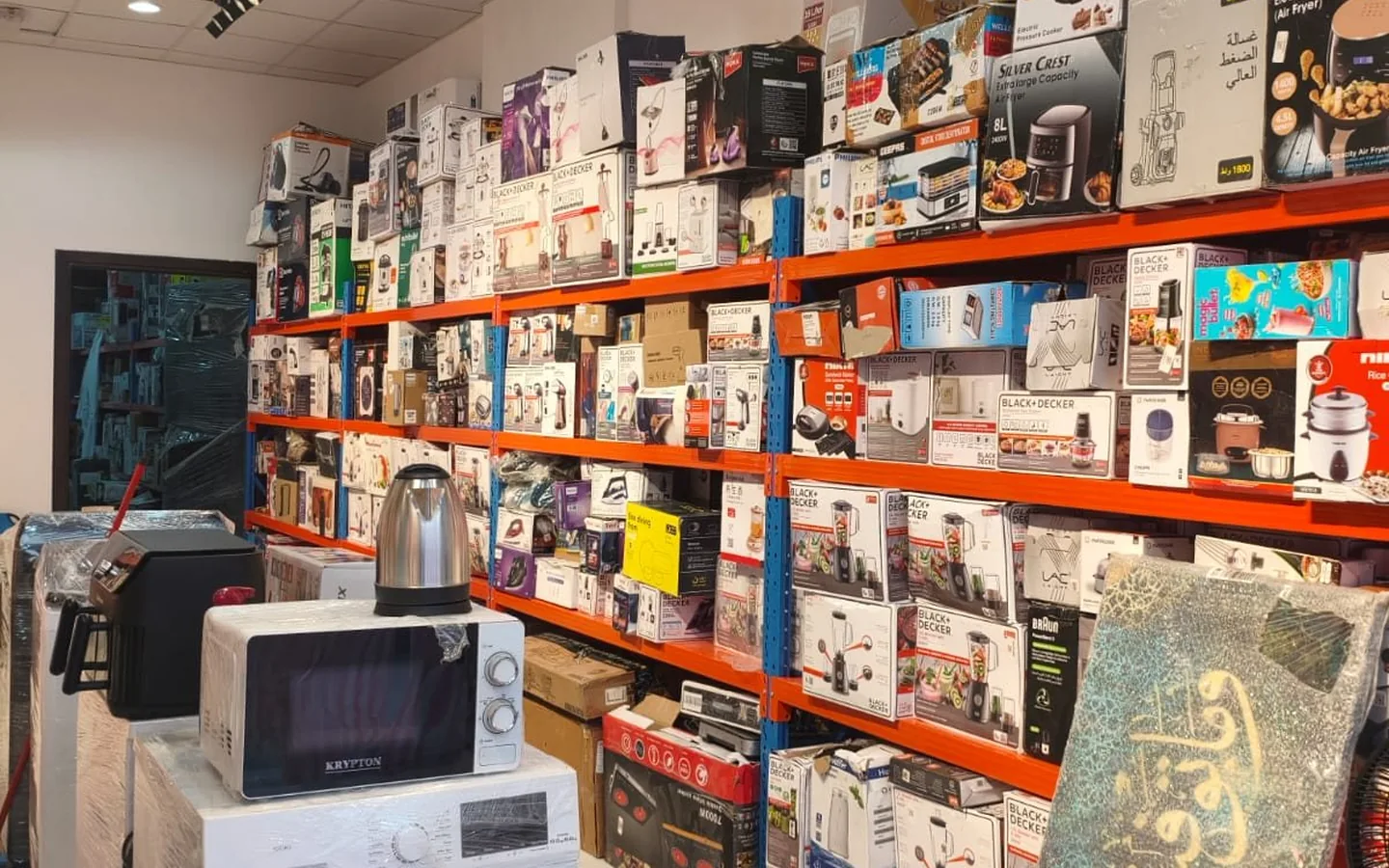
Step 3: inspect high-risk parts for the product category
Different products fail in different places, so a useful inspection changes by category.
Blenders and food processors
Check the jug or bowl for cracks, especially around the base and handle. Inspect the blade assembly and the area where the container locks into the motor base. Make sure lids and removable parts fit properly. If the product has several cups or blades, confirm what is included.
Air fryers and cooking appliances
Pull the basket or drawer out and slide it back in. Look at the coating inside the cooking area for obvious damage. Check the handle, locking points and control panel. If the appliance has removable trays or racks, confirm that the pieces fit the specific model.
Coffee machines and kettles
Inspect water tanks, jugs, lids and seals. Look for cracks, mineral residue or staining. Check the base and power connection. For coffee machines, understand whether the product requires capsules, filters or proprietary parts that may affect ongoing cost.
Vacuums
Check the hose, wand, floor head, filters and dust container. Look for cracks in clips and connectors. Turn wheels and moving joints by hand to see whether they move smoothly. If it is cordless, check the battery, charging point and charger.
Fans
Inspect the grille, blades, stand, base and adjustment mechanisms. Look for bent parts. Check whether the stand feels stable. If the model normally has a remote control, confirm whether it is included if you need that function.
Garment steamers
Look at the water tank, hose or steam head, stand and connectors. Inspect for cracks around the tank and make sure removable parts sit correctly. If attachments matter to you, check them one by one.
Step 4: check the plug, cable and power components
For mains-powered products, the cable and plug deserve their own inspection. Look for cuts, crushed sections, melted areas, exposed copper, bent pins or tape that suggests an unsafe repair.
For rechargeable devices, look at the charging port and confirm that the correct charger is present. A missing charger can change the real cost of the product, especially if the device uses a proprietary connection.
If you notice anything that raises an electrical safety concern, do not let the discount convince you to ignore it.
Step 5: count the accessories that matter
Open-box items can sometimes have packaging that has been reorganised or accessories that are not in the original positions. Instead of trying to remember everything from a marketing photo, identify the accessories that matter for your intended use.
For example, if you want a vacuum mainly for sofas, the upholstery tool may be important. If you buy a blender for grinding spices, a small mill attachment may matter more than an extra travel lid. If you buy a garment steamer for delicate clothes, the correct brush or attachment may be valuable.
If you can find the official manual for the exact model, use the parts list as a reference. Do not assume that every online bundle includes the same accessories, because retailers sometimes sell different versions.
Step 6: look for signs of previous use where they matter
Open box does not automatically mean unused. Look at areas that reveal actual operation: inside bowls, around heating surfaces, in filters, under lids, around plug pins and on wheels or feet.
For food appliances, check for residue or staining. For kettles and coffee machines, look for water marks or mineral deposits. For vacuums, inspect the dust container and filter area. For garment steamers, look at the tank and steam plate.
A sign of use is not automatically a reason to reject the product. It simply changes how you should value the item. A visibly used unit should not be judged as if it were an untouched open box.
Step 7: ask for a basic functional check when practical
Some appliances can be checked quickly in store. A fan can power on. A vacuum motor can start. A display can light up. A blender base can respond without running food through it. Other products may require water, ingredients or a longer process and are not practical to test fully.
The goal is not to reproduce home use inside the shop. It is to confirm basic signs of operation when that is reasonable. If a product has several buttons, check whether they respond. Listen for obviously abnormal noises. Look for error messages on digital screens.
A basic check does not guarantee future performance, but it can catch simple issues before you leave.
Step 8: compare price only after you understand the unit
Price comparison comes after inspection, not before. Once you know the exact model and condition, compare the asking price with the same model if possible.
If the model is still sold new, that gives you a useful reference. If it is discontinued, compare with close current alternatives while recognising that the comparison will be less exact.
Then ask whether the saving makes sense considering:
- cosmetic condition,
- completeness,
- packaging,
- any signs of use,
- missing accessories,
- convenience of replacing missing parts,
- and how important perfect appearance is to you.
Prime Open Box may have selected products with savings of up to 50%, but there is no promise that every open-box item is discounted by that amount.
Step 9: check dimensions and practical fit
A good appliance can still be the wrong purchase if it does not fit your space. If you are buying a countertop appliance, measure the available width and depth. Leave clearance for lids, drawers, steam and ventilation where appropriate.
For standing appliances such as fans and garment steamers, think about floor footprint and storage height. For vacuums, consider where the hose, wand and attachments will be stored.
Do not rely on the product looking “small enough” in the store. Retail spaces make objects feel different from how they will feel in a kitchen or apartment.
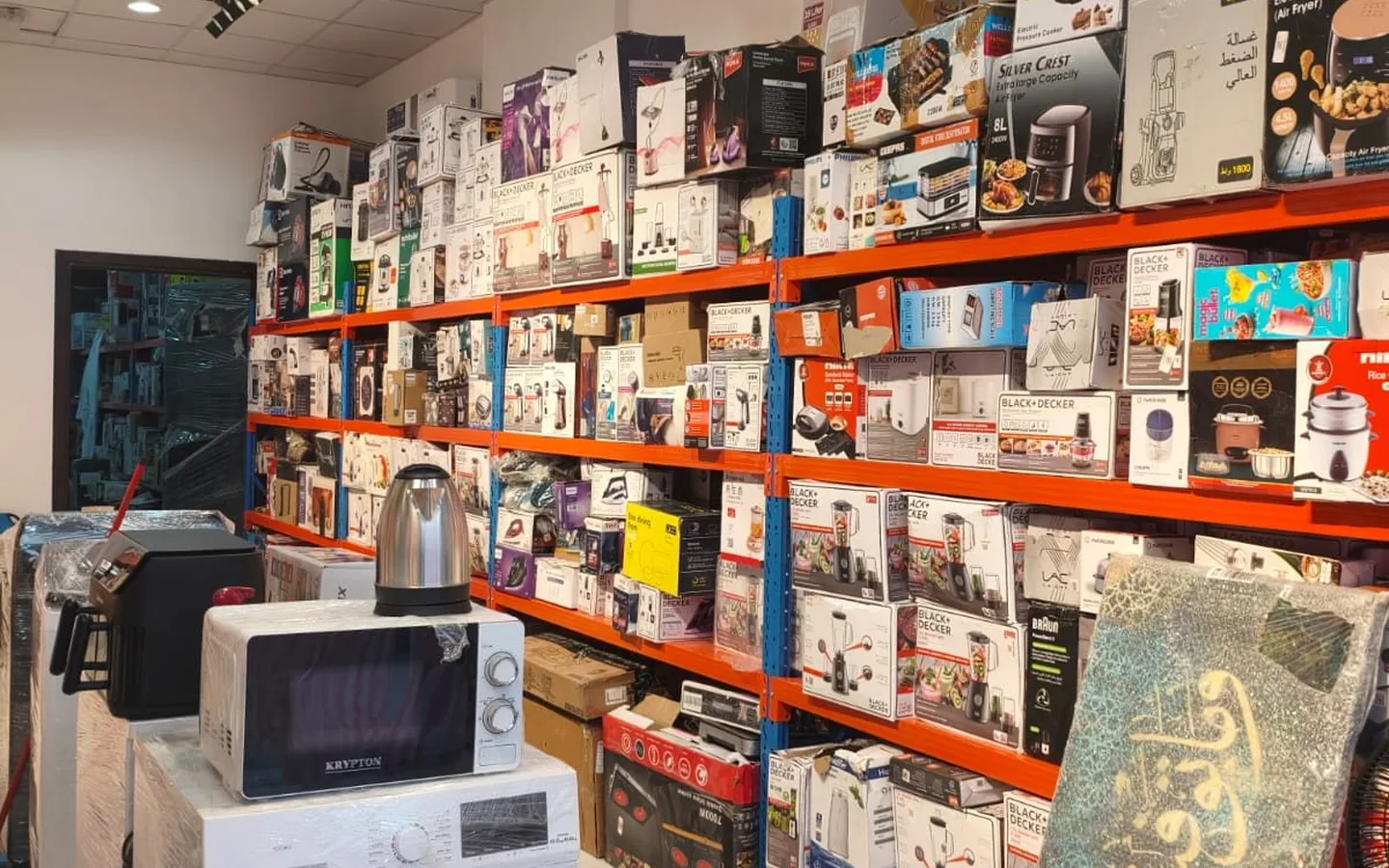
Step 10: think about transport before paying
If the original packaging is damaged or missing internal supports, a product may need more careful transport. Check whether the box can be carried safely and whether fragile parts need to be removed or protected.
Large products should fit in your vehicle without forcing doors, lids or glass parts against other items. Keep small accessories together so they are not lost during transport.
If you are coming to Prime Open Box mainly for one larger category, a quick WhatsApp message before travelling can help you ask about current availability. Stock changes regularly, so availability should always be confirmed rather than assumed.
Step 11: ask about the replacement guarantee
Before paying, ask what the replacement guarantee covers for the product you are buying. Do not assume a duration unless the store confirms it for that purchase.
Keep the receipt and any relevant packaging or included documentation. If you notice an issue after getting home, having clear proof of purchase makes the process easier.
Step 12: make the final decision without rushing
After you have inspected the product, step back and ask four final questions:
- Would I buy this model if there were no discount?
- Am I comfortable with this exact unit’s condition?
- Are the essential parts present?
- Is the saving worth any imperfections or missing packaging?
If all four answers are positive, the product may be a good fit for you. If one answer is uncertain, take another minute. A good deal should still make sense after the excitement of finding it.
A complete open-box checklist you can save on your phone
Use this short version while shopping:
Identity
- Brand confirmed.
- Exact model number confirmed.
- Product label matches the box where relevant.
Physical condition
- No important cracks or broken parts.
- Handles and hinges feel secure.
- Lids, drawers and doors move correctly.
- Cosmetic marks are acceptable to me.
Electrical safety
- Plug is undamaged.
- Cable has no cuts or exposed wiring.
- Charger or adapter is correct if required.
Accessories
- Essential accessories are present.
- Proprietary parts I need are included.
- Removable parts fit properly.
Function
- Basic power check completed where practical.
- Controls respond normally.
- No obvious error message or abnormal sound.
Value
- Price compared with the same model where possible.
- I have considered missing parts and condition.
- The product fits my available space.
- Transport is manageable.
- I have asked about the replacement guarantee.
When should you walk away?
Walking away is sometimes the best saving. Consider choosing another unit if you find electrical damage, structural cracks, a missing essential proprietary part, a condition you are not comfortable cleaning, or a price that does not feel worthwhile once you understand the item.
You should also walk away if the product simply does not fit your needs. A large discount on the wrong appliance is still money spent on the wrong appliance.
What if the product looks almost new?
Treat it with the same routine. Good condition is a positive sign, but still confirm the model, accessories and basic operation. A systematic inspection takes only a few minutes and helps you avoid assumptions.
If the unit appears clean, complete and suitable, the inspection simply gives you more confidence in your decision.
Buying open box in a physical Al Ain store
A physical store has one major advantage for open-box shopping: you can evaluate the actual item. You are not limited to a condition grade or a few online photos. You can see how the product feels, check the parts and understand any cosmetic differences before paying.
At Prime Open Box in Al Ain, products and quantities change regularly. Visit the Products page to understand the categories, the About page to learn how the store works, and Visit Us for opening hours and contact details. You can also open Directions directly.
Frequently asked questions
Should I expect every open-box product to have been used?
No. Some items may have been opened without meaningful use, while others may show signs of handling or use. Inspect the individual unit.
Should I expect every open-box product to be an Amazon return?
No. Open-box stock can come from different situations. Prime Open Box can also carry Amazon returns and new products, so do not treat the categories as identical.
Is cosmetic damage always a problem?
No. A small scratch may not affect function at all. The important distinction is between appearance-only marks and damage that affects safety, fit or operation.
Can I rely on the website for exact live stock?
No. The website shows product categories and examples. Products and quantities change regularly, so contact the store if you are travelling for something specific.
What guarantee should I ask about?
Ask about the replacement guarantee that applies to the item. Do not assume a specific duration unless it is clearly confirmed at purchase.
Where can I inspect products in person?
Prime Open Box is in Al Ain, Maaskar Al Sharikat area. Use Visit Us for hours, WhatsApp, phone and directions.
Final thoughts
Open-box shopping becomes much easier when you use the same inspection routine every time. Identify the exact model. Check the body and safety points. Review accessories. Look for relevant signs of use. Test basic operation where practical. Then compare the price.
The process does not need to feel suspicious or complicated. It is simply a practical way to buy with more information. Some open-box items may be close to new. Others may have visible imperfections. What matters is whether the exact item in front of you meets your needs at a price you consider fair.
When you want to explore the current store experience, start with Products, read About Prime Open Box, or Visit Us in Al Ain. If you are searching for a specific type of appliance, WhatsApp the store before travelling.