Amazon Returns in the UAE: What They Are and What to Check Before Buying
A practical UAE guide to Amazon return products, why returns happen, what condition can vary, and what to inspect before you buy.
The phrase Amazon returns can sound simple, but it covers a wide range of products and situations. One returned item may have been opened for only a few minutes. Another may have been returned because the buyer ordered the wrong size or changed their mind. A box might have been damaged during delivery. A product may have been handled, tested, or returned with packaging that is no longer perfect. That variation is exactly why shoppers should look at the individual item instead of assuming all return stock has the same history.
In the UAE, return-stock and open-box retail can be attractive for people who want more value from their budget, especially for home appliances and everyday household products. But a lower price should never replace a sensible inspection. The goal is not simply to find something “cheap.” The goal is to understand what you are buying, check the parts that matter and decide whether the condition and price make sense for you.
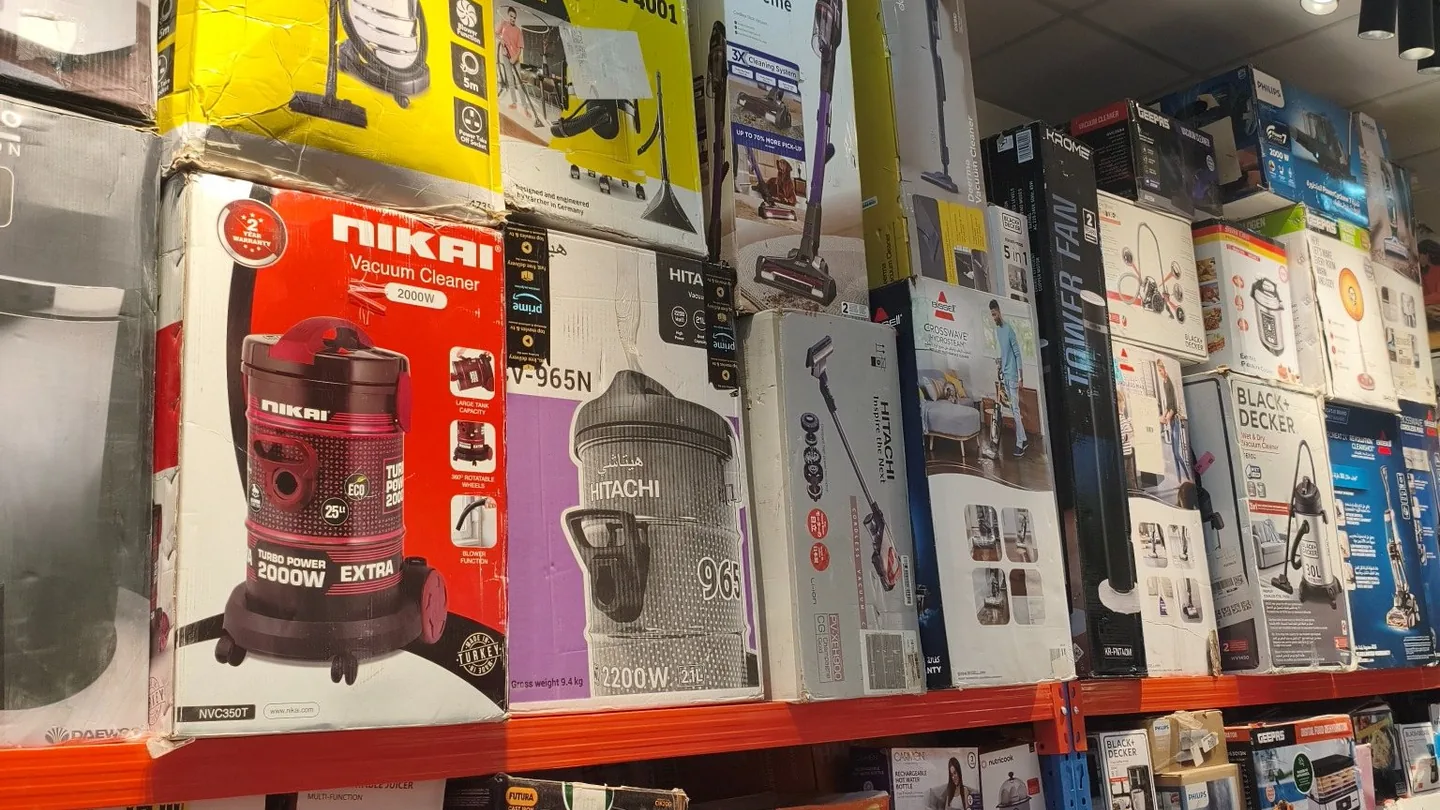
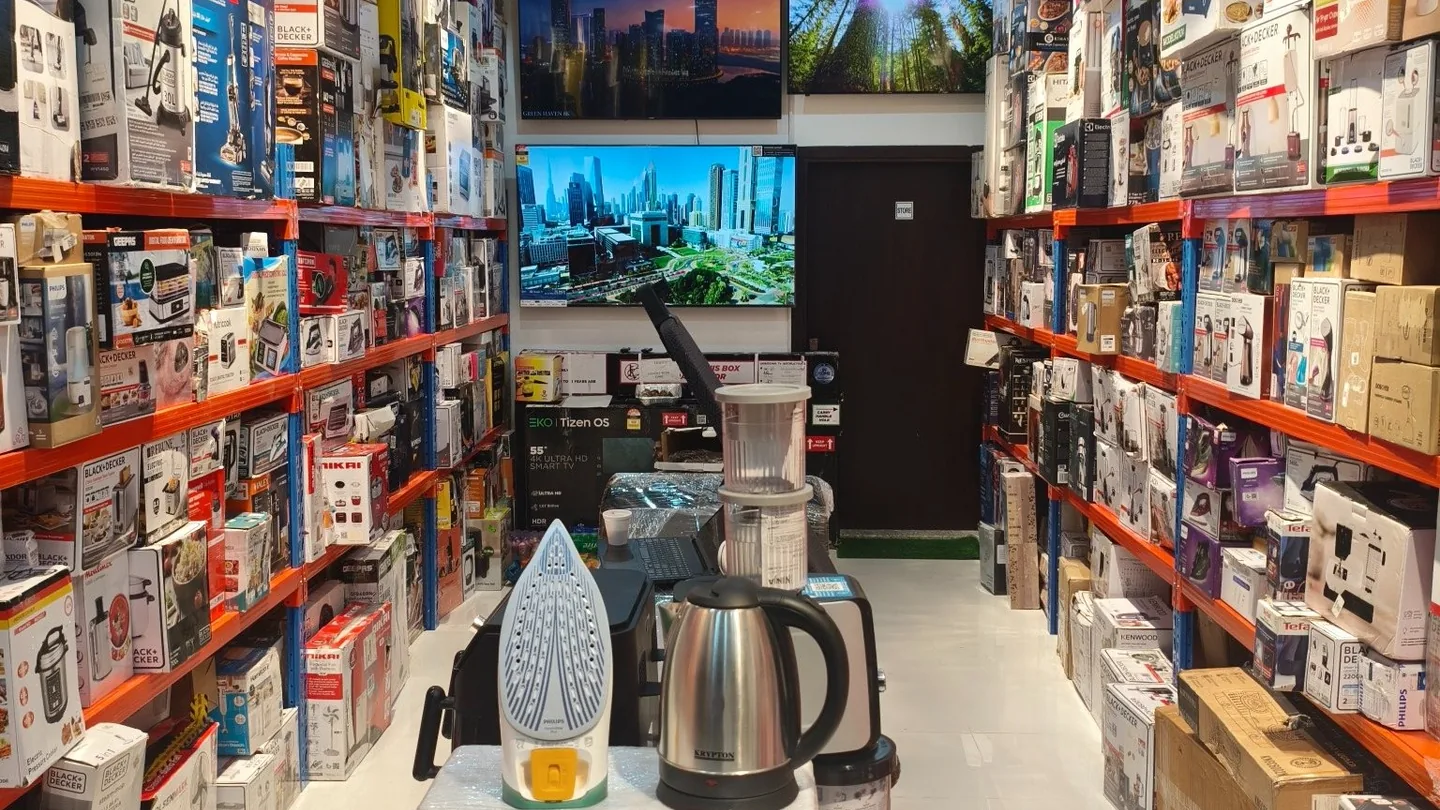
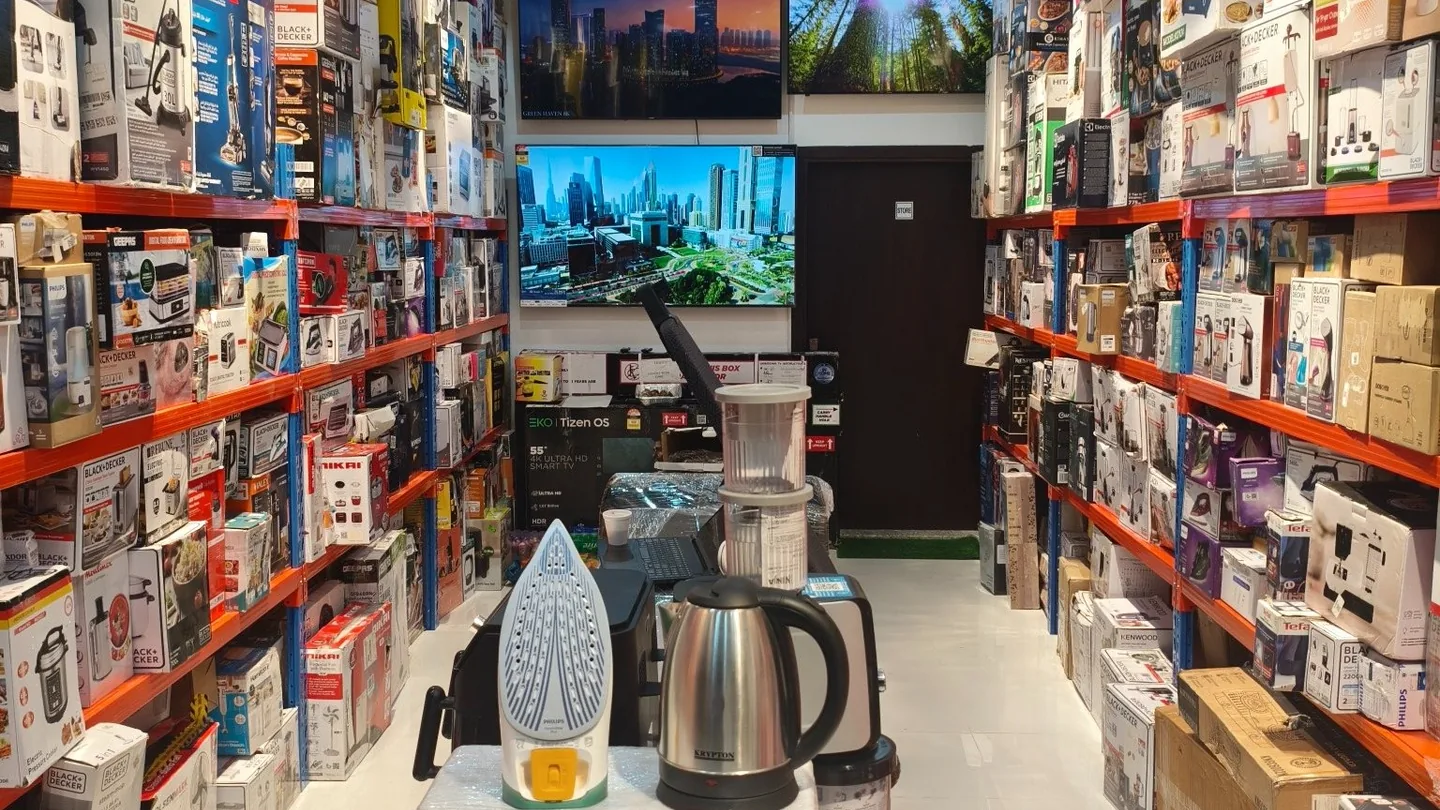
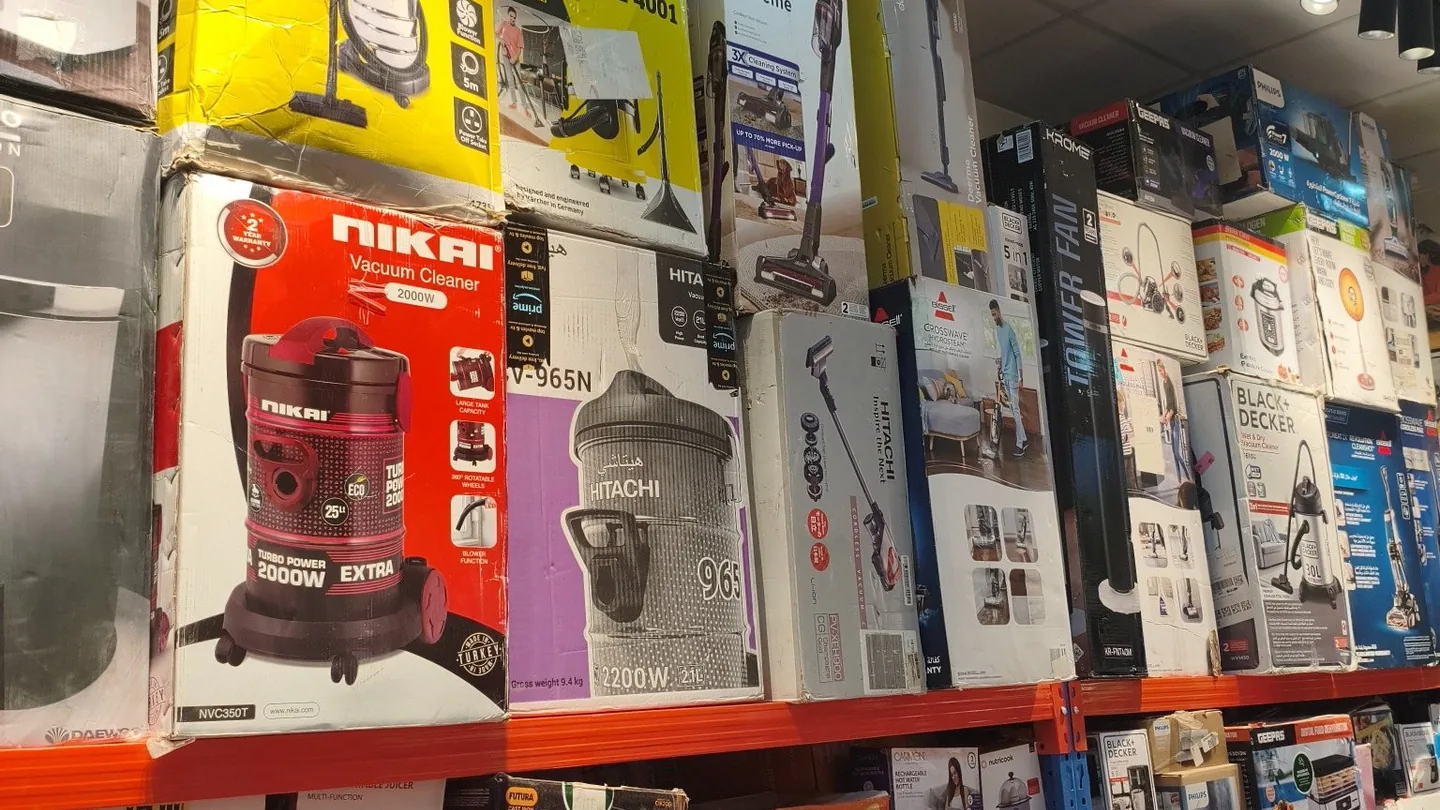
Prime Open Box may carry Amazon returns as part of a changing mix that can also include open-box and new products. Not every Prime Open Box item is an Amazon return, and not every Amazon return has been used. The stock changes, so our Products page shows the kinds of items you may discover rather than promising live availability.
What is an Amazon return product?
An Amazon return is a product that was previously shipped through Amazon’s retail or marketplace system and then returned. That description tells you where the item came from, but it does not tell you exactly why it was returned or how much it was used.
Returns happen for ordinary reasons. A shopper can order the wrong model, find the product too large for the intended space, decide they no longer need it, discover that a colour is different from what they expected, or open the box and simply change their mind. In other cases, the carton may arrive dented or torn even when the product inside is fine. Some products can be returned because a customer reported a problem, which is why inspection and testing are especially important.
The key lesson is simple: “Amazon return” is a source category, not a guaranteed condition grade. Two items with the same description can have very different cosmetic condition, packaging and included accessories.
Are Amazon returns used products?
Sometimes, but not always. A return can be unopened, opened but not used, briefly tested, or used enough to show signs of handling. Without inspecting the individual item, you should not assume one condition or another.
That is different from a traditional second-hand purchase where the product usually has a known history of regular ownership and use. A return may have had a much shorter journey, but the uncertainty around that journey means the shopper still needs to check carefully.
If the unit is presented as open box, you can also read our guide to Open Box vs Used vs Refurbished for a clearer comparison of those terms.
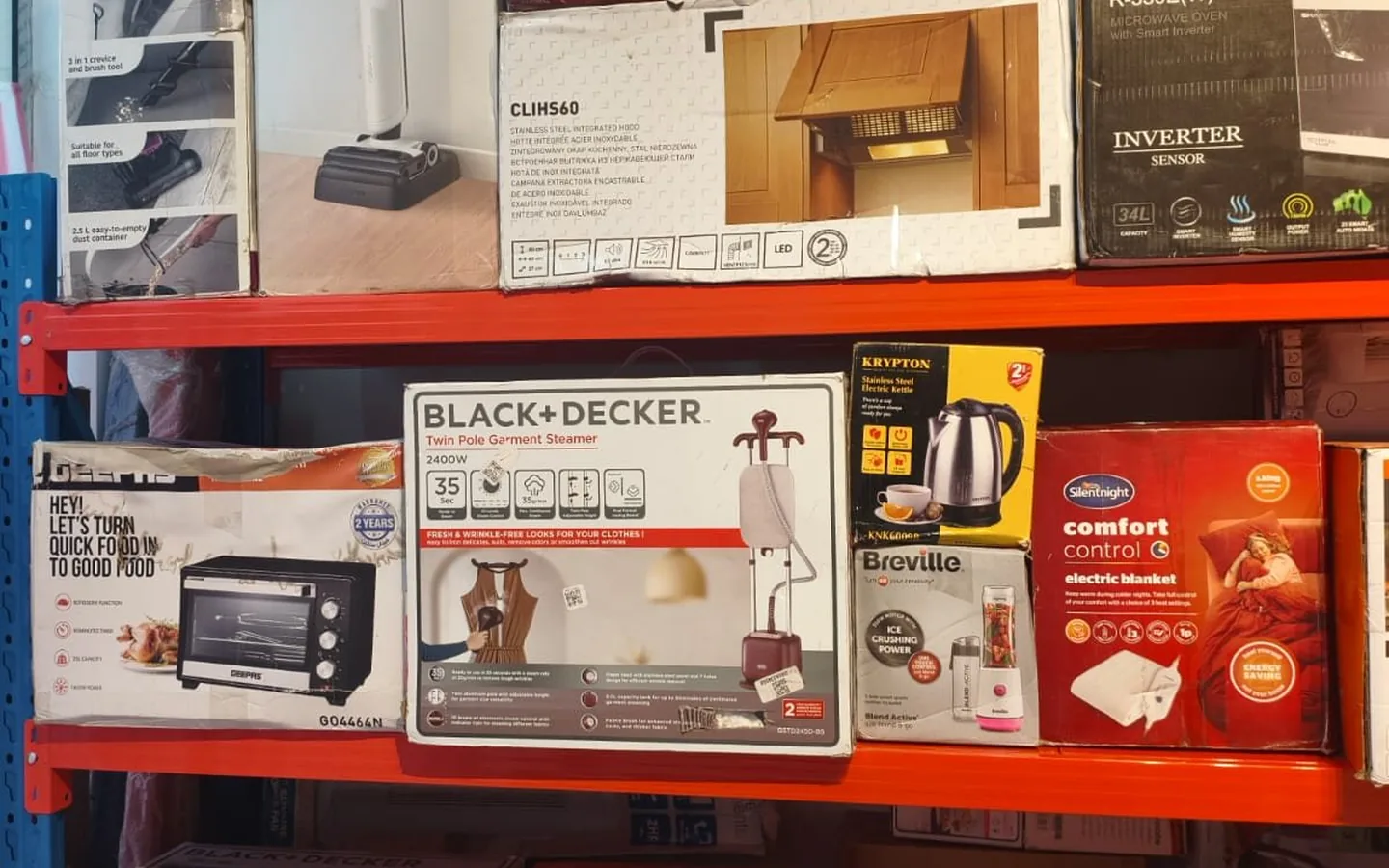
Why can return products cost less?
A product that is no longer in factory-sealed retail condition may be harder to sell at the same price as an untouched unit. The box may be open, the packaging may have marks, or the product may need to be sold individually rather than as standard retail stock. That can create an opportunity for a lower selling price.
However, the discount should always be considered in context. A return with complete accessories, clean condition and only packaging damage can be very different from a return with visible wear or missing parts. A shopper should ask whether the saving is enough to justify the actual condition of the item.
At Prime Open Box, selected products may offer savings of up to 50%, but this does not apply to every item. There is no single discount percentage for all Amazon returns, open-box products or new products.
Start with the box, but do not stop there
The outer carton can give useful clues. Look for crushed corners, tears, water marks, heavy tape, missing internal packaging or signs that the box has been opened several times. None of those automatically means the product itself is damaged, but they tell you to inspect more carefully.
A neat-looking box also does not guarantee perfect condition. The important step is to move from packaging to the actual product. If you are shopping in person, use the opportunity to check the unit rather than judging only from the outside.
Confirm the exact model before comparing prices
One of the easiest mistakes is comparing a return product with the wrong online listing. Many appliances share the same brand and almost the same body design but differ in capacity, wattage, features or included accessories.
Find the model number on the product label or carton. Then, if you compare prices, make sure you are looking at the exact same model. A 4-litre air fryer should not be compared with an 8-litre version just because both have a similar front panel. A 1200-watt steamer is not the same product as a 1600-watt version. Small differences can change the normal selling price significantly.
This step also helps you find the correct manual and understand what accessories should normally come with that model.
Inspect the physical condition carefully
Use good lighting and look at the product from all sides. Check corners, handles, hinges, display panels, buttons and removable parts. Look for deep scratches, cracks, broken clips or dents that might affect function.
Cosmetic marks are a personal decision. Some buyers do not care about a small scratch on an appliance that will sit inside a cupboard. Others want a nearly perfect finish. There is no universal answer. What matters is that you see the condition clearly and make a deliberate choice.
For products with water tanks, glass jugs, transparent bowls or plastic containers, inspect for fine cracks. For vacuums and fans, check that visible moving parts are aligned. For coffee machines and kettles, look at lids, handles, bases and connectors.
Check accessories against what you actually need
A returned product may not always include every piece that originally came in the box. That can matter a little or a lot depending on the product.
For a blender, the missing item might be a small grinding cup. For a vacuum, it could be a crevice tool or brush head. For a garment steamer, it could be a fabric brush. For a coffee machine, it could be a filter, measuring spoon or adapter.
Instead of asking only “Is everything there?”, ask a more useful question: “Does this unit include the parts I need to use it the way I plan to use it?” If a nonessential accessory is missing and the price reflects that, you may still be happy with the purchase. If a critical part is missing, the saving may not be worth it.
Look for signs of actual use
Some clues can help you understand whether an appliance was merely opened or was actually used. You might see residue in a container, marks around moving parts, dust inside a filter, water spots, scratches on a plug, or wear on a base.
These signs do not automatically make the product unacceptable. They simply help you judge the condition more accurately. If a product shows clear use, you can evaluate it more like a used product and decide whether the price is appropriate.
Cleanliness also matters. Food-contact items, water tanks and removable containers should be inspected carefully. If something cannot be cleaned properly or shows damage in areas that contact food or water, it may not be the right choice.
For electrical items, safety comes first
A lower price is never a reason to ignore electrical safety. Check the plug, cable and visible connectors. Do not buy an item with exposed wires, cut insulation, bent plug pins or obvious signs of unsafe repair.
If a product uses a removable power adapter, make sure the adapter matches the device and is in good physical condition. With rechargeable products, check whether the charger is present and whether the charging port is intact.
When a basic functional test is practical, it can help confirm that the product powers on and that primary controls respond. Full testing may not be possible for every appliance in a retail setting, but a sensible basic check is valuable.
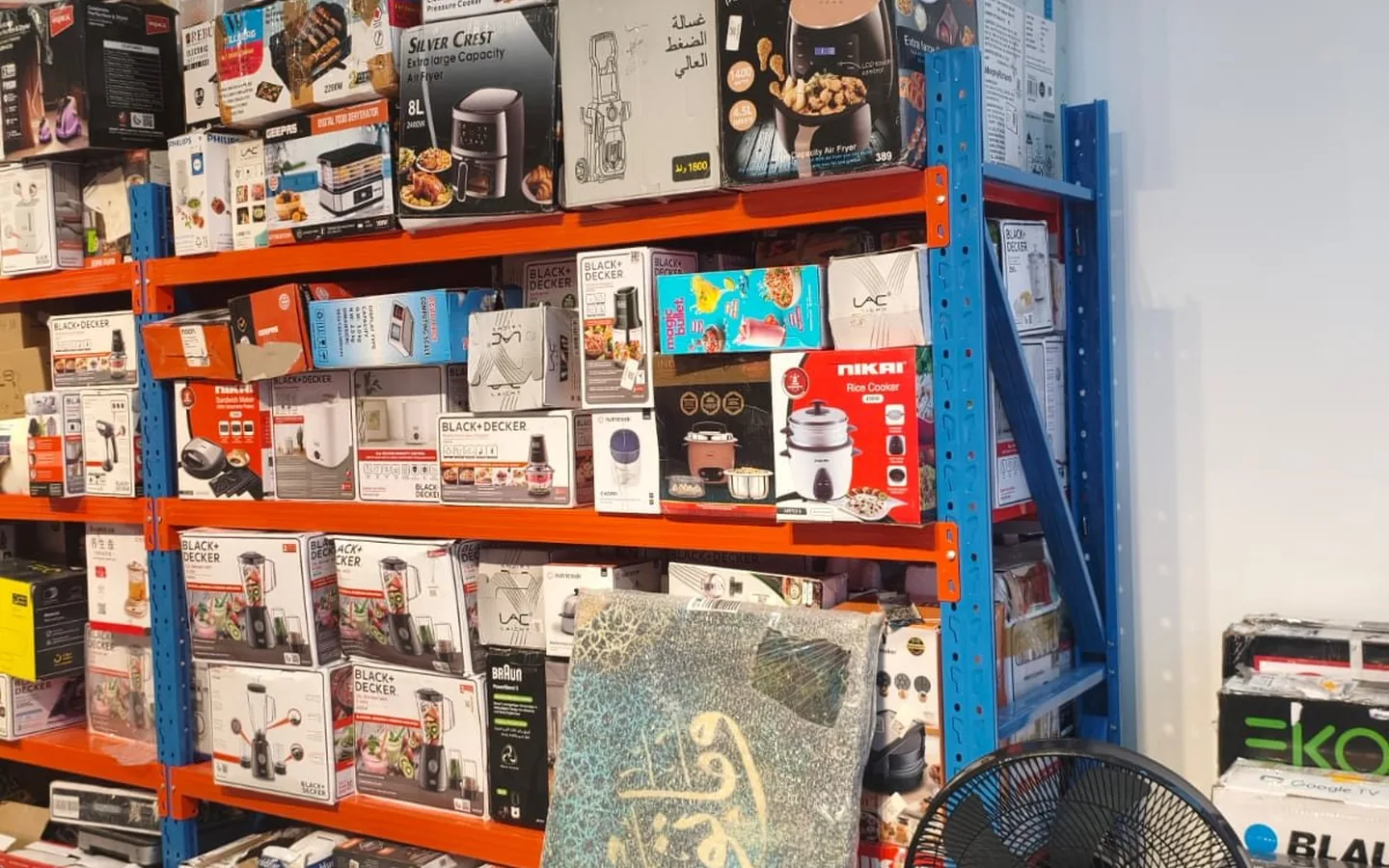
Pay attention to hygiene-sensitive products
Certain categories need extra care because they come into contact with food, water, skin or clothing. Examples include blenders, food processors, kettles, coffee machines, juicers, garment steamers and personal-care devices.
Inspect removable parts and surfaces. Check whether they can be cleaned properly. Look for residue, odour, staining or damage. If you are not comfortable with the condition of a food-contact or personal-care component, choose another unit.
This is one reason a physical visit can be useful: you can assess things that are difficult to judge from a single product photo.
What about packaging damage?
Packaging damage alone can be relatively unimportant if the product inside is complete and undamaged. A crushed corner on a carton may have no effect on a metal appliance. On the other hand, heavy impact marks should encourage a closer look at the side of the product nearest the damage.
Think of the box as evidence, not the final verdict. It can show how the item was handled, but the condition of the product remains the main issue.
How to judge whether the price is good
Use a simple four-part method:
- Identify the exact model. Do not compare a similar product.
- Check the current new-market price where possible. If the model is old or no longer widely sold, comparison may be less straightforward.
- List any condition differences. Cosmetic marks, missing packaging, missing accessories or clear signs of use should be considered.
- Decide what those differences are worth to you. A buyer who cares only about function may accept more cosmetic wear than someone buying the product for a visible kitchen counter.
Do not let the size of a discount make the decision for you. The right question is whether the final price is good for the exact unit in front of you.
A checklist for buying Amazon returns in the UAE
Before you buy, check the following:
- Exact brand and model number.
- Product body for cracks, dents and significant scratches.
- Plug, cable and connectors.
- Screens, switches, knobs and buttons.
- Lids, doors, hinges and locking mechanisms.
- Included accessories and removable parts.
- Signs of previous use or residue.
- Cleanliness of food-contact and water-contact areas.
- Whether a basic power or function check is possible.
- Price compared with the same model in normal retail channels.
- Whether the condition is acceptable for where and how you will use it.
- The store’s replacement guarantee for the item.
Should you buy an Amazon return as a gift?
It depends on the recipient and the condition. If presentation matters, an opened or marked box may not create the experience you want, even when the product inside is excellent. If the recipient cares mainly about function and knows the item is return stock, it may still be suitable.
For a formal gift, you may prefer a new product with clean packaging. For your own home, a damaged carton may matter very little. The purpose of the purchase should influence your decision.
Why Prime Open Box does not promise live stock online
Return and open-box stock is naturally variable. A specific model may arrive in a small quantity and sell quickly. Another category may have many choices one week and fewer the next. That is why we avoid presenting the website as a live ecommerce catalogue.
The Products page shows the range and types of products customers may discover. If you are looking for something specific, you can contact us on WhatsApp before travelling. You can also use the Visit Us page for opening hours, call details and directions.
Frequently asked questions
Are all Amazon returns damaged?
No. Returns happen for many reasons, and damage is only one possible reason. Some items may have packaging damage, some may have been opened briefly, and others may show signs of use. Check the individual unit.
Are all Amazon returns used?
No. A returned product may be unopened, opened without use, briefly tested or genuinely used. The condition varies.
Does Prime Open Box sell only Amazon returns?
No. Prime Open Box can carry a changing mix of Amazon returns, open-box products and new products.
Can I assume an Amazon return includes every original accessory?
No. Check the actual contents. The accessories included can vary, especially when the original box has been opened.
Is there a fixed discount on Amazon return products?
No. Pricing varies by product and condition. Selected Prime Open Box products may offer savings up to 50%, but this is not a promise for every item.
Can I reserve a specific product from the website?
The website is not a live stock system. Contact the store directly through WhatsApp to ask about current availability.
Final thoughts
Amazon return products can offer useful value, but the term itself should never replace inspection. Understand the model, look at the condition, check the accessories, consider safety and hygiene, and compare the price fairly.
The strongest buying decision is one where you know exactly what compromises you are accepting, if any. A scratched box may not matter. A missing accessory might matter a lot. A small cosmetic mark may be acceptable. Electrical damage should not be ignored.
If you want to see how Prime Open Box works, visit About. To explore the categories we handle, see Products. When you are ready to inspect items in person, open Visit Us or get Directions to the Al Ain store.